
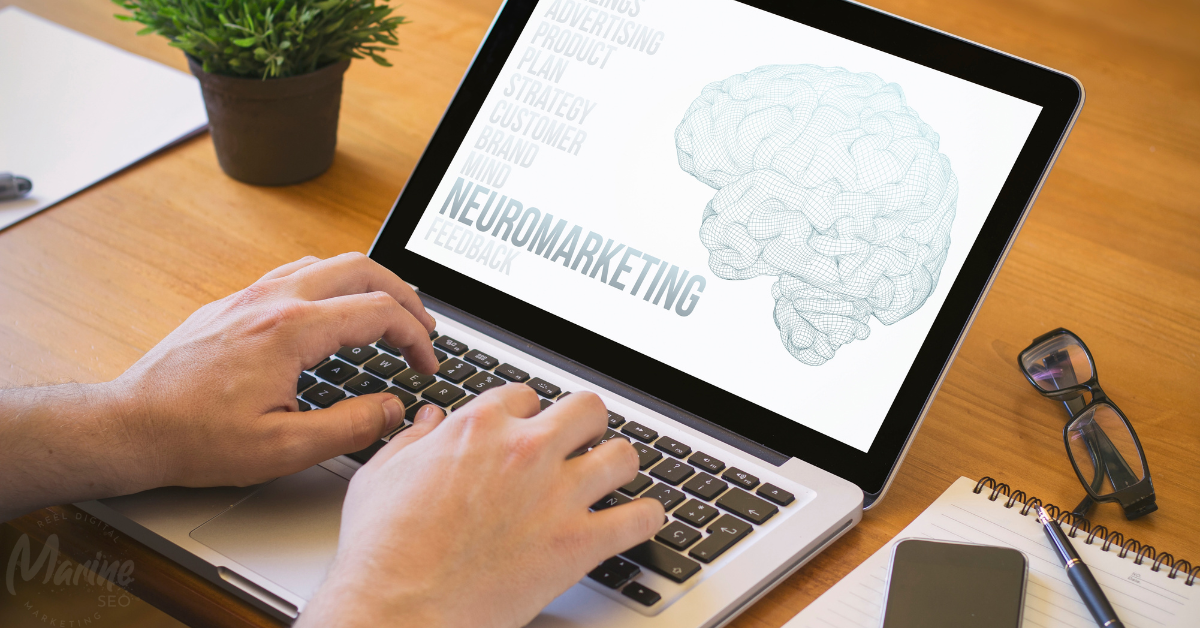
Is Neuromarketing Ethical?
Neuromarketing promises to unlock the secrets of consumer behavior by tapping into the brain’s subconscious responses. While this innovative approach offers exciting possibilities for marketers, it also raises significant ethical questions. Is it right to influence consumer decisions at such a fundamental level? In this article, we’ll explore the ethical implications of neuromarketing and how Marine SEO can help businesses navigate these complex challenges, ensuring that marketing practices remain both effective and respectful of consumer rights.
What Is Neuromarketing?
Neuromarketing is a field of study that combines neuroscience and marketing to understand how consumers’ brains respond to marketing stimuli. By analyzing brain activity, eye movement, and other physiological responses, neuromarketing seeks to uncover the subconscious processes that drive consumer decisions. This data can be used to design more effective marketing strategies, such as advertisements, product placements, and branding, by tapping into the emotional and cognitive triggers that influence purchasing behavior.
The primary neuromarketing techniques used include:
- Functional Magnetic Resonance Imaging (fMRI): Measures brain activity by detecting changes in blood flow, providing insights into which areas of the brain are activated by specific stimuli.
- Electroencephalography (EEG): Records electrical activity in the brain to track responses to marketing content in real time.
- Eye Tracking: Monitors where and how long consumers focus their gaze on different elements of an advertisement or product, revealing what captures attention.
- Galvanic Skin Response (GSR): Measures changes in skin conductivity due to emotional arousal, helping to gauge emotional reactions to marketing stimuli.
Neuromarketing is used by businesses to enhance the effectiveness of their marketing campaigns by creating content that resonates more deeply with consumers on a subconscious level. However, this approach also raises ethical concerns regarding consumer manipulation, privacy, and informed consent.
The Ethical Debate on Neuromarketing
The ethical debate surrounding neuromarketing is rooted in the tension between the pursuit of more effective marketing strategies and the potential risks of manipulating consumer behavior. As neuromarketing delves into the subconscious mind, it raises several ethical questions that are hotly debated among scholars, marketers, and consumer advocates.
Consumer Manipulation
Is neuromarketing ethical? One of the most significant concerns is the potential for neuromarketing to be used as a tool for manipulation. By tapping into consumers’ subconscious triggers, companies might influence decisions without the consumer’s full awareness. This raises questions about the fairness and transparency of such practices. Is it ethical to use advanced technology to steer consumer behavior in a direction that primarily benefits the marketer, possibly at the expense of the consumer’s best interests?
Informed Consent
Another critical issue is the matter of informed consent. For neuromarketing to gather accurate data, consumers often participate in studies involving brain scans, eye tracking, or other biometric measurements. The ethical challenge lies in ensuring that participants fully understand what they are consenting to and how their data will be used. In commercial settings, the lack of transparency about the use of neuromarketing techniques can also lead to concerns about whether consumers are being sufficiently informed.
Privacy Concerns
Neuromarketing involves the collection of sensitive data about individuals’ mental and emotional states. This raises significant privacy concerns, particularly regarding how this data is stored, shared, and used. The potential misuse of such data—whether through unauthorized access or by using it to manipulate consumer behavior—poses a serious problem to the question: is neuromarketing ethical?
Impact on Consumer Autonomy
The core ethical question is whether neuromarketing undermines consumer autonomy. By influencing decisions at a subconscious level, there is a risk that consumers are no longer making choices based on their rational thought processes, but rather on manipulated emotional responses. This could lead to consumers making purchases that they might not have otherwise made, which raises concerns about respect for individual autonomy.
Corporate Responsibility
Companies that employ neuromarketing must grapple with their corporate social responsibility. While the goal of marketing is to drive sales, companies must balance this with ethical considerations. Using neuromarketing responsibly means not only adhering to legal standards but also considering the broader implications of their actions on consumer trust and societal well-being.
Is neuromarketing ethical? The debate on neuromarketing is complex, with valid arguments on both sides. While neuromarketing offers powerful insights that can drive more effective marketing strategies, it also requires careful consideration of the ethical implications. Companies must navigate this landscape with a commitment to transparency, respect for consumer autonomy, and a focus on responsible use of the technology. As neuromarketing continues to evolve, ongoing dialogue and ethical scrutiny will be essential to ensuring that its application remains both effective and ethical.
Moral Concern and Psychological Impact
Neuromarketing, while offering powerful insights into consumer behavior, raises significant moral concerns and psychological impacts. By targeting the subconscious mind, it has the potential to exploit emotional vulnerabilities and erode consumer autonomy. The ability to influence decisions without consumers’ full awareness challenges the fairness and transparency of marketing practices, raising ethical questions about the manipulation of emotions and the respect for individual freedom.
The psychological impact of neuromarketing is equally concerning, as it can lead to emotional manipulation, desensitization, and increased stress or anxiety. Continuous exposure to these techniques may alter consumers’ decision-making processes and self-perception, potentially leading them to make choices driven by external influences rather than their authentic desires. As neuromarketing evolves, companies must balance effectiveness with ethical responsibility, ensuring that their practices do not harm consumers or undermine their autonomy.
Contact Marine SEO Today!
While neuromarketing offers a fascinating glimpse into the intricacies of consumer behavior, it also raises important ethical and psychological considerations that cannot be overlooked. At Marine SEO, we understand the unique challenges faced by marine industry marketers and are committed to supporting businesses in navigating these complexities with integrity. Whether you’re focused on marine marketing or social marketing strategies, we’re here to help you achieve your goals ethically and effectively. If you have any questions or need assistance, please contact us. For more insights on these topics, don’t forget to read our blog.
Related Readings:
The Link Between Digital Psychology and Marketing in the Marine World